Electricity costs keep creeping up. Outages happen when you least expect them. Peak-hour tariffs feel unpredictable. Many businesses still rely on generators or basic grid connections, thinking that’s enough. And honestly, it rarely is.
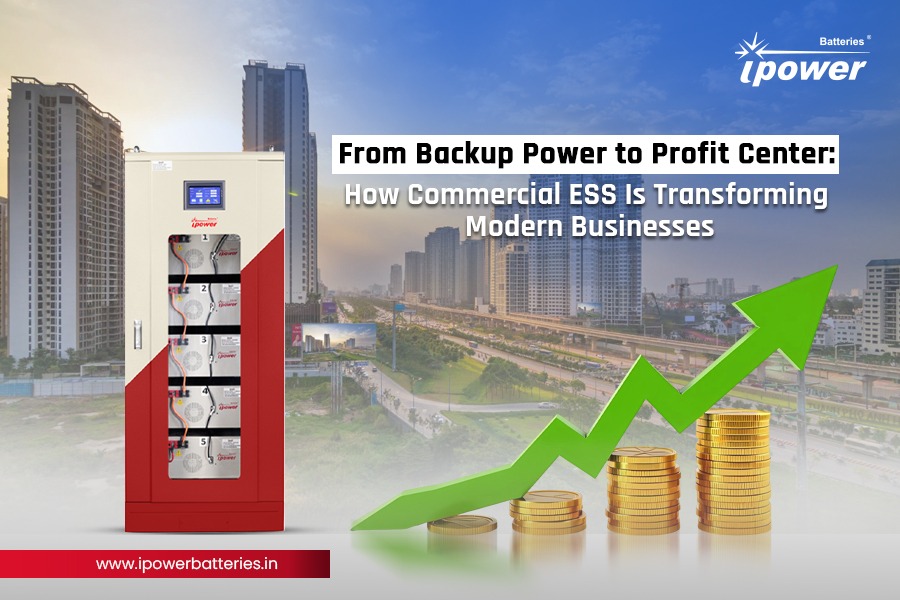
Commercial Energy Storage Systems (ESS) are no longer just a safety net. They’re now strategic assets, capable of cutting costs, improving reliability, and even generating profits.
When you work with a verified Energy Storage System Supplier like Ipower`, you don’t just get hardware; you get expertise, compliance, and long-term value that will boost your business profit in the longer run.
Why Commercial ESS Backup Power Isn’t Enough
Let’s be real: stop paying more for electricity! Commercial ESS can cut costs, improve reliability, and even generate profits.
Backup generators save you in emergencies, sure. But they don’t optimize energy, integrate well with solar panels, or automatically comply with current regulations.
India’s Central Electricity Authority (CEA) and Bureau of Indian Standards (BIS) have clear rules for commercial ESS. These cover safety, installation standards, and grid connectivity. Missing even one guideline could mean fines, downtime, or worse.
A professional Energy Storage System Supplier ensures everything ticks the boxes while helping your business actually use energy strategically, not just reactively.
How Commercial ESS Drives Profit for Businesses
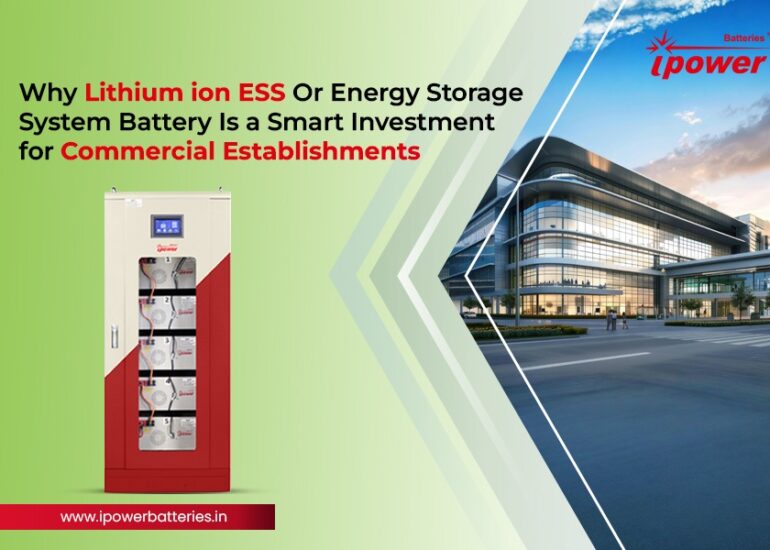
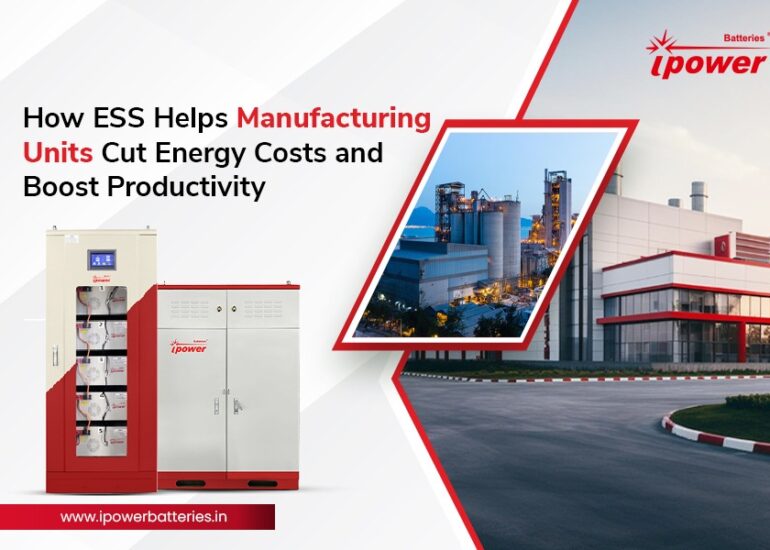
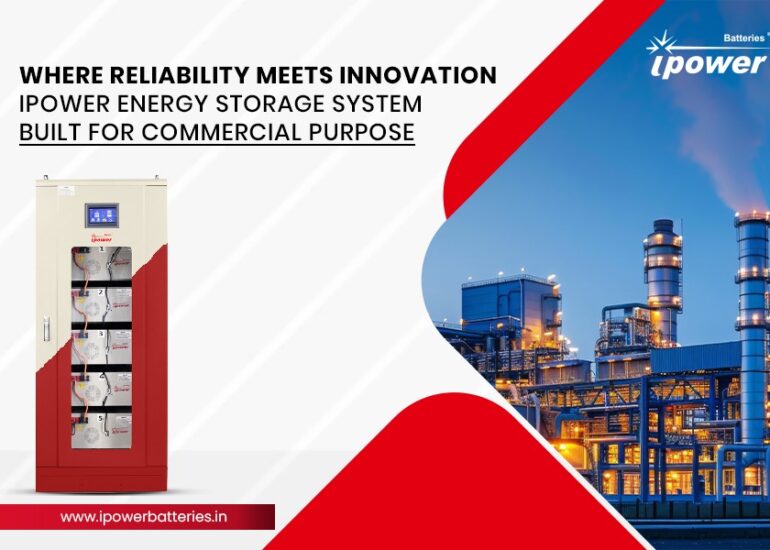
A Lithium ion commercial ESS can do more than sit idle until there is a blackout:
- Storing energy during off-peak rates so it can be used at peak rates.
- Load balancing keeps your bill from being hit with penalties for excess load during peak periods.
- Store excess solar and wind energy for later use.
- Many verified and compliant systems qualify for government incentives, including subsidies & tax credits.
Ipower does not believe in “one size fits all.” Every system is designed to be customizable, modular, expandable, and in compliance with applicable regulations.
That’s how an lithium-ion ESS moves from a passive backup to an active, profit-generating asset.
Commercial ESS Benefits Beyond Cost Savings
Installing a commercial ESS brings tangible, measurable advantages:
- Operational reliability: Businesses can continue running even during outages.
- Sustainability: Lower carbon footprint, aligned with government standards.
- Scalability: Add capacity as operations grow.
- Peace of mind: Verified compliance means no surprises.
When you partner with Ipower, a trusted lithium-ion Energy Storage System Supplier, these benefits aren’t theoretical; they’re real, trackable, and long-lasting.
Why iPower Stands Apart In
Rising electricity costs and unexpected outages are hurting businesses. With a Lithium ion Commercial ESS from Ipower, you can store energy, cut costs, and generate profit.
Ipower isn’t just a supplier. Every system we deliver is:
- Fully compliant with CEA and BIS standards.
- Integrated with your existing infrastructure.
- Monitored and maintained for ongoing performance.
Your ESS isn’t just “a battery pack.” It becomes a strategic, compliant, and profit-oriented business asset across industries.
Conclusion
Commercial ESS has evolved. It is no longer just backup power; it’s a business tool.
With Ipower as your lithium-ion Energy Storage System Supplier, you reduce costs, ensure compliance, and even generate profit. The difference is clear: energy stored the right way becomes a strategic advantage, not just a safety net. Ipower Lithium ion ESS helps businesses generate profit in the longer run with stability.
Discover compliant, profitable energy storage solutions today! Click here https://ipowerbatteries.in/
FAQs
Q1. Are commercial ESS installations regulated in India?
Yes. The CEA and BIS provide safety and installation standards. Ipower ensures full compliance.
Q2. Why choose Ipower as an Energy Storage System Supplier?
Ipower offers verified, compliant systems, ongoing monitoring, and tailored solutions.
Q3. Is installation disruptive?
No. Ipower manages design, installation, and integration with minimal operational impact.