
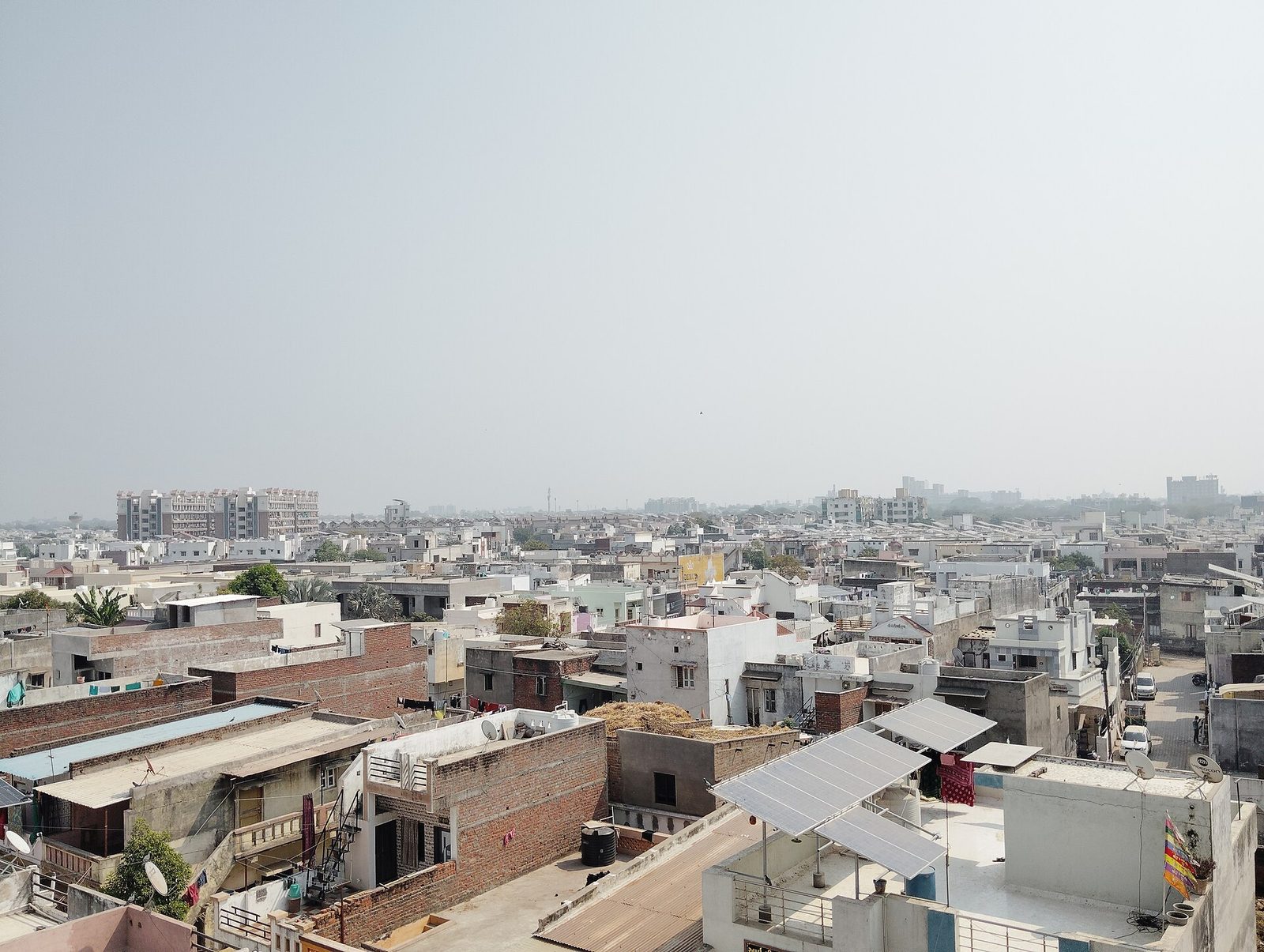
Electric vehicles get the headlines, but some of the most important battery deployments in India never move an inch. They sit at the base of telecom towers in rural Rajasthan, in the basements of commercial buildings in Gurugram, and beside rooftop solar arrays in Tier-2 cities — silently bridging the gap between India’s growing energy demand and its still-maturing grid.
At Ipower Batteries, alongside our EV battery business, we design and manufacture lithium-ion energy storage systems (ESS) for telecom, solar, inverter, and commercial & industrial applications. Here is why stationary storage is becoming one of the most consequential clean-energy stories in India — and what to look for when specifying a system.

The Problem: A Grid Under Pressure
India’s power story is one of remarkable progress with stubborn gaps. Generation capacity has grown enormously, and renewable energy now forms a significant share of the mix. Yet three realities persist:
- Peak-hour stress. Summer demand spikes — driven by cooling loads — still trigger load-shedding in many regions, precisely when businesses and homes need power most.
- Renewable intermittency. Solar generates when the sun shines, not when demand peaks. Without storage, every rooftop array leaves value on the table.
- Critical uptime requirements. Telecom towers, hospitals, data rooms, and payment infrastructure cannot tolerate even brief outages.
For decades, the default answers were diesel generators and banks of lead-acid batteries. Both are losing the argument.
Telecom: The Original Storage Workhorse
India runs one of the world’s largest telecom networks, with hundreds of thousands of towers — many in areas with unreliable grid supply. Every tower needs backup power, and the economics of that backup have shifted decisively toward lithium:
- Footprint and weight. Lithium banks deliver the same backup in roughly a third of the space and weight of lead-acid — critical on rooftop and shared sites.
- Cycle life. In poor-grid areas, backup batteries cycle daily. Lead-acid banks wear out in 18–24 months under this duty; LFP lithium systems routinely exceed 2,000–3,000 cycles.
- Fast recharge. When grid power returns for only a few hours, lithium’s rapid charge acceptance means the bank is actually ready for the next outage.
- Remote monitoring. Smart BMS-equipped lithium systems report health and charge status to network operations centres — no site visits to check electrolyte levels.
- Diesel displacement. Every kWh delivered from a battery instead of a DG set cuts fuel cost, maintenance, and emissions.


Ipower’s telecom battery systems are engineered for exactly this duty cycle — high ambient temperatures, daily cycling, and years of unattended operation.
Solar + Storage: Making Rooftops Work Harder
India’s rooftop solar capacity is expanding rapidly across homes, schools, and factories. But solar without storage is a half-finished system:
- Excess midday generation is exported cheaply (or wasted), while the evening peak is bought from the grid at full price.
- A grid outage shuts down most grid-tied solar systems entirely — panels on the roof, darkness inside.
Pairing solar with lithium storage changes both equations. Self-consumption rises sharply, evening loads run on stored solar energy, and critical circuits stay live through outages. LFP chemistry is particularly well-suited here: its long cycle life matches the 25-year horizon of solar assets, and its thermal stability suits installations in garages, stairwells, and utility rooms.

Homes and Businesses: The Inverter Upgrade
The humble home inverter is India’s most familiar energy storage device — and it is due for reinvention. Compared with the traditional tubular lead-acid setup, a lithium inverter battery offers:
- 3–5x longer service life, eliminating the biennial replacement ritual
- Zero maintenance — no water top-ups, no acid fumes, no corroded terminals
- Faster charging, so short grid windows still deliver full backup
- Compact, wall-mountable form factors that free up floor space
For commercial and industrial users, the same logic scales up: C&I ESS installations shave peak demand charges, provide seamless UPS-grade backup, and increasingly serve as the enabling layer for on-site renewables.
What to Look for in an ESS Partner
Stationary storage is a 10-year commitment. Before you buy, evaluate the manufacturer on:
- Chemistry and cycle life. For stationary duty, LFP is the benchmark — insist on cycle-life data at realistic depth of discharge and temperature.
- Certifications and quality systems. Look for manufacturers operating under ISO 9001, ISO 14001, and IATF 16949 quality regimes, with recognised R&D capability.
- BMS intelligence. Remote monitoring, alarms, and data logging are not luxuries — they are how you avoid discovering a dead battery during an outage.
- Thermal design for Indian conditions. A system rated for 25°C laboratories will disappoint in a 45°C control room.
- Service network. Batteries are serviceable assets. A manufacturer with a genuine, nationwide service network — Ipower operates 200+ sales and service centres across India — protects your uptime for the life of the system.
- Customisation capability. Voltage windows, communication protocols (RS485/CAN), rack formats, and capacity steps should fit your site, not the other way around.
The Bigger Picture
India has set ambitious targets for renewable capacity and net-zero emissions. None of it works without storage: batteries are the buffer that turns intermittent green energy into dependable power. Every telecom tower that retires its diesel generator, every factory that stores its rooftop solar, and every home that replaces a lead-acid bank with lithium is a small, compounding step toward that goal.
Ipower Batteries has been part of this transition from the beginning — evolving from three decades of power-solutions heritage (our parent, Computech Systems, has served 1,000+ enterprises since 1992) into one of India’s leading lithium-ion manufacturers, with a 50,000 sq ft facility in Kundli, Haryana and a government-recognised in-house R&D centre. Whether you are an infrastructure operator, a solar EPC, or a business tired of diesel bills, our team can engineer a storage solution built for Indian realities.
A cleaner, greener planet is not a slogan — it is a supply chain. And it runs on reliable batteries.
Specifying storage for a tower, a rooftop or a factory? Talk to our ESS engineering team.