

Are you tired of running out of power when you need it most? Whether you’re on the go or working on a project, having a reliable source of energy is essential. That’s why iPower’s lithium-ion batteries are the perfect solution for all your power EV vehicle needs. At iPower, we believe that everyone has the potential to be a hero. That’s why we’ve launched our “Charge Like a Hero” campaign to showcase the power and reliability of our lithium-ion batteries. With iPower’s lithium-ion batteries, you can power your EV vehicle with confidence, knowing that you have a reliable source of energy that will never let you down. Our lithium-ion batteries are designed to be long-lasting and efficient, providing you with the power you need for all your devices. Whether you’re using our batteries for your electric vehicles, you can rest assured that you’re getting the best in class. Our lithium-ion batteries are also eco-friendly, making them a sustainable choice for individuals and businesses looking to reduce their carbon footprint. By using iPower’s lithium-ion batteries, you’re not only powering your EV vehicles, but you’re also helping to create a better future for our planet. So why wait? Join the “Charge like a hero” campaign today and power your devices with iPower’s lithium-ion batteries. With iPower, you can be a hero every day, knowing that you have the power to make a difference.
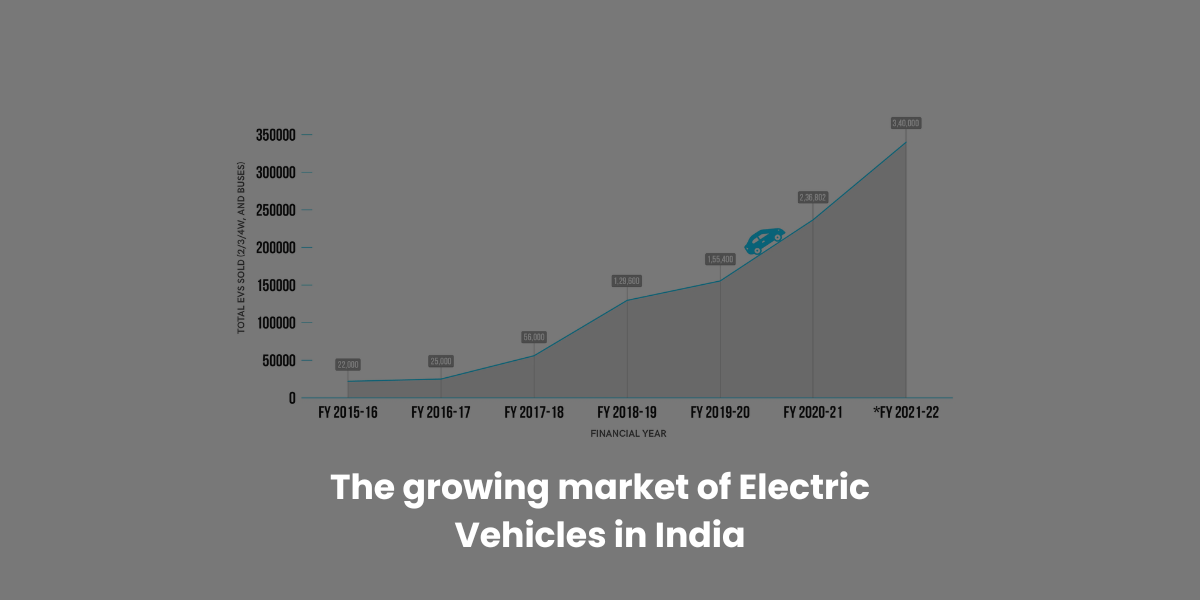
The growing market of Electric Vehicles in India
In recent years, there has been a substantial increase in the use of electric vehicles (EVs) in India. Because India is a major consumer of fossil fuels, the change to electric vehicles has multiple advantages for the environment, energy security, and the economy. In this blog article, we will look at the technological and legal implications of the EV boom in India.
Several technical considerations, including advancements in battery technology, charging infrastructure, and government incentives, have contributed to India’s shift towards EVs.
Role of Battery Technology:
The invention of lithium-ion batteries was a changing point for the electric vehicle sector. These batteries are lighter, smaller, and have a higher energy density than standard lead-acid batteries. Lithium-ion batteries also have a lower self-discharge rate, which means they can hold a charge for longer periods of time. The advancement of battery technology has enabled electric vehicles to reach longer ranges, increasing their practicality for everyday use.
Role of Charging Infrastructure:
The availability of charging infrastructure is a crucial issue in electric vehicle adoption. In India, the government has initiated a number of steps to build a strong charging infrastructure. The FAME (Faster Adoption and Manufacturing of Electric Vehicles) scheme, for example, offers financial incentives for the installation of charging stations across the country. Several private companies have also entered the market to provide charging infrastructure, making electric vehicle owners more accessible.
Role of Government Incentives:
The Indian government has created a number of incentives to encourage the use of electric vehicles. The FAME scheme, for example, offers subsidies for the purchase of electric vehicles. The GST (Goods and Services Tax) for electric vehicles has also been slashed from 12% to 5% by the government. Furthermore, the federal government has waived road tax and registration fees for electric vehicles in numerous states, making them more cheap to consumers.
Now lets see how the electric vehicle market is impacting other sectors.
Impact of Environment:
The transition to electric vehicles has various environmental advantages. Electric vehicles release no harmful emissions like carbon monoxide or nitrogen oxides, which contribute to air pollution. Electric vehicle adoption could lower carbon emissions by up to 37% by 2030, according to a report by the Society of Indian Automobile Manufacturers. The reduction in carbon emissions will also assist India in meeting its Paris Agreement goals.
Electric Vehicles helps in Energy Security:
India is heavily reliant on imported oil, which has serious consequences for the country’s energy security. Adoption of electric vehicles could lessen India’s reliance on imported oil, improving its energy security. Furthermore, electric vehicles may be charged using sustainable energy sources such as solar and wind power, reducing the country’s reliance on fossil fuels even further.
Economic Advantages:
The transition to electric vehicles provides various economic benefits for India. Adoption of electric vehicles, for example, might cut the country’s oil import cost, positively impacting its trade balance. Furthermore, the expansion of the electric car industry may result in the creation of new jobs in manufacturing, research, and development.
The growing popularity of electric vehicles in India has a number of technical and procedural ramifications. With advancements in battery technology and charging infrastructure, as well as government incentives, electric vehicles have become more feasible and economical for consumers. The transition to electric vehicles provides various environmental, energy security, and economic benefits for India.
As the electric vehicle industry expands, it has the potential to revolutionise India’s energy landscape and contribute to the country’s long-term development goals.
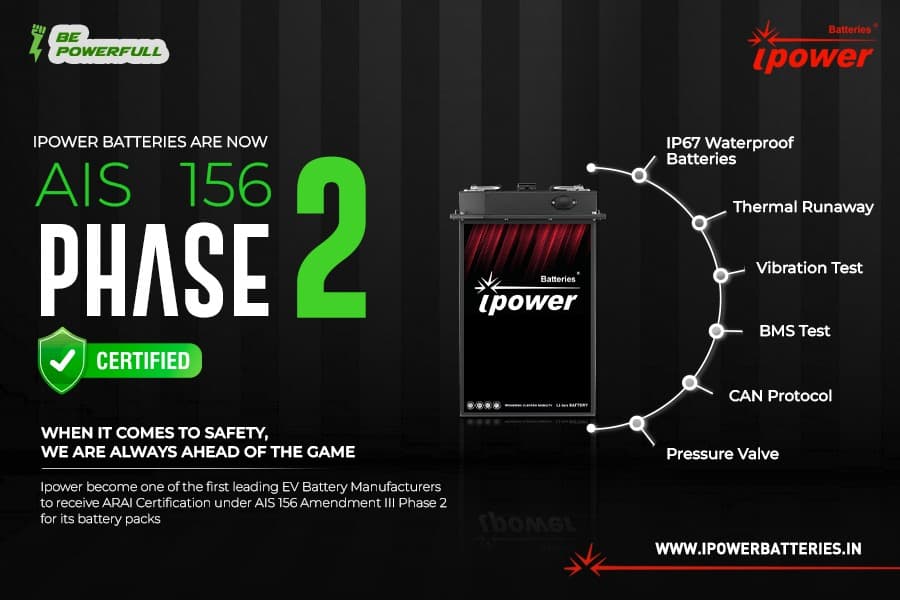
All the test that batteries goes through for AIS 156 Phase 2 Certificate
Ipower Batteries has secured the AIS 156 phase 2 certificate for both its NMC and LFP batteries. Now all of the batteries in these two chemistries are AIS 156 phase 2 certified as required by the government of India.
Now let’s understand the importance of this certificate and why it’s a big milestone for a battery manufacturer.
We all know that AIS 156 amendments came into the picture because of various fire incidents with EVs last summer. So the government of India set a parameter for the battery manufacturers with enhanced safety features. The battery manufacturers were asked to get their batteries tested on various factors before getting the certificate and selling it into the market.
Following were those tests.
- IP67: (Waterproof batteries)
IP67 test certifies that the batteries are waterproof, now the question is why it is required.
Well in India, most of us are used to washing and cleaning our vehicles using water and if we go a little bit into the chemistry, the lithium plus water is an explosive reaction. The battery needs to be waterproof otherwise it will become a serious threat to the rider. Making a battery waterproof is not a simple task, only those can do who manufacture the batteries, not the ones who just procure them from 3rd party.
- Thermal runaway:
Charging and discharging the battery is an exothermic process. It means heat is generated when you ride the electric vehicle or charge it. As we know the entire battery pack, and the case is waterproof and airtight, and that heat will generate pressure which can lead to an explosive reaction. To counter that, the battery needs to have a heat sink, in short, a way to transfer that heat out of the battery is required. There are various ways to do that like having an active or passive cooling process. The batteries are required to have thermal runaway.
- Vibration test:
Believe it or not, it’s a very important test. If you drive your vehicle either a two-wheeler or a three-wheeler, you know the conditions of the Indian roads and how they impact your vehicle. The same goes for lithium batteries. Indian roads are full of post-hols, non-symmetrical speed breakers, and animals roaming around freely. Every time you put brakes, batteries are subjected to sudden vibration due to the law of inertia and after some time, it can damage the physical structure of the battery. To insure that does not happen, batteries are subjected to vibration tests.
- BMS Test:
BMS is the most important part of the batteries. They provide all sorts of data that is required for the safety of the batteries. BMS makes sure if there is something unusual happening with the battery like it’s getting heated more than normal then it will not only inform the raider but also will take the necessary precautionary measures. There are two types of BMS, communicative and non-communicative. The new batteries under the AIS 156 phase 2 need to have the communicative BMS that our batteries have.
- CAN Protocol:
With batteries, we get chargers but India is a country of jugad. If the charger provided by the company will stop working due to any reason, we will try to use a non-authorized charger or non-authorized charging method that can lead to accidents with the batteries. You have to understand, lithium batteries are power-packed boxes with the potential to cause serious damage to the property and the personnel if not handled with care. With the CAN protocol, it is ensured that batteries will be charged with an authorized charger and authorized methods.
- Pressure valve:
As discussed earlier, the heat generated in the battery will create air pressure in the battery pack that needs to be released if goes above a certain level. The new batteries have a pressure valve that works exactly like the pressure valves in the pressure cookers.
These are those tests, that are mandatory to get the AIS 156 phase 2 certificate. The beauty of these tests is that only those who have the capability of building the battery packs in-house can pass.
It means, with this AIS 156 certificate, the government is filtering the market and allowing only those who can build safer batteries.
We at Ipower Batteries proudly say that we are in an elite group of battery manufacturers who are committed to taking the industry forward by providing safer and long-lasting batteries.
Click here to learn more about the lithium batteries safety.
Join the EV-Revolution with Ipower Batteries
Why do EV batteries catch fire?
In the previous article we had an overview of how to protect your lithium batteries from catching fire, but it is also important to know how and why lithium batteries catch fire. Here in this article we will explore the same.
Why do EV batteries catch fire?
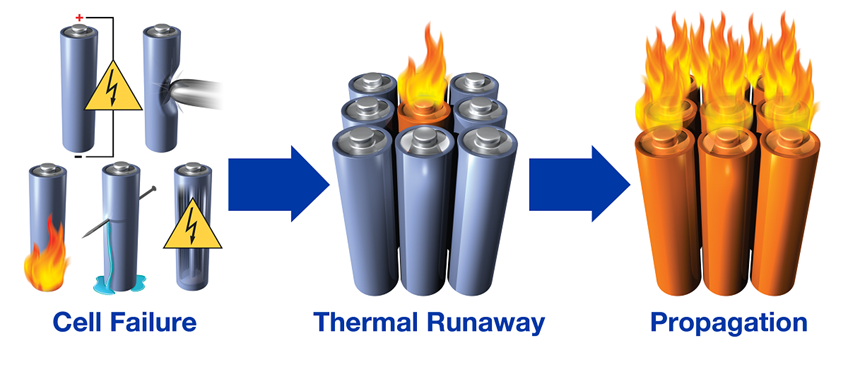
Thermal runaway occurs when lithium-ion cells reach several hundred degrees Celsius (the fires you see are the result of thermal runaway). Most current batteries shut off automatically around 45-55°C. Even if these safeguards are not taken, it is not possible to heat the battery to a few hundred degrees Celsius solely by using ambient heat or heat created by the batteries.
Short circuits are the reason of 99% of battery fires. As a result, the temperature of the cell rises by a few hundred degrees Celsius, resulting in thermal runaway.
Short circuits happen for three reasons:
- Poor cell quality
- Poor design of the battery
- Poor BMS
Internal short-circuiting can occur as a result of poor cell quality. This happens when the anode and cathode are accidentally linked inside due to design flaws, short-circuiting the normal current route. This finally leads to uncontrolled current. It becomes the cause of Thermal Runaway.
Short-circuiting is not usually caused by poor cell quality. The design of battery packing has a significant impact on safety. Packaging relates to how cells are assembled, as well as how they are electrically connected and mechanically held together.
Poor BMS leads to Overcharging
Cells cycle between lower and higher threshold voltages, which generally correspond to the 0% and 100% states of charge.
LFP voltage ranges from 2.8V to 3.6V.
NMC voltage ranges from 2.8V to 4.2V.
Even a 0.05V overcharge of NMC can significantly enhance the growth of Lithium dendrites.
Overcharging causes cells to swell, collide, short-circuit, and eventually catch fire. It’s dramatic, and you don’t have to make it up.
How Ipower Batteries is solving all these issues?
Ipower Batteries have AIS 156 Phase 2 certificate for all of its batteries including LFP and NMC based batteries. Getting an AIS 156 Phase 2 certification is very though but thats for next article.
Join the EV-Revolution with Ipower Batteries
How to avoid lithium battery fire this summer?
Last summer we saw a lot of news of EVs catching fire. Electric scooter sales have risen in recent years, but a string of fires has cast a pall over the potential business.
This raises a lot of questions related to battery safety and battery manufacturing. Here we would explore how you as an EV user can keep your battery safe in this summer that has arrived.
The largest, most expensive, and most significant component of your electric vehicle is the battery. It is the driving force for electric automobiles. The Indian climate and driving conditions are tough, therefore it’s vital that you thoroughly understand battery care and charging requirements.
Here are some recommendations for keeping your electric scooter safe and extending battery life:
Thermal Management in the battery
- Thermal management in an EV battery is critical since it must operate in extremely cold or extremely high temperatures.
- Protect your vehicle and batteries against high temperatures. Make sure you don’t leave your EV parked in the blazing sun or the cold for extended periods.
- Place your electric vehicle in the shade or plug it in so that its thermal management system operates solely on grid power and maintains a constant range of temperatures while in operation.
- For certain battery types, only use genuine and authentic chargers.
- Pay attention to the battery type, as some batteries catch fire easily. You may need to charge them or park them away from flammable materials.
- Do not swap or use any non-genuine chargers. -Maintain batteries at ambient temperature.
- Please do not charge batteries for more than one hour after they have been used. It is best to allow the batteries to cool down before charging them.
- If you discover that the battery shell has been broken or that water has entered the battery, immediately isolate and store it separately, and notify your dealer.
- The battery and charger should be stored in a clean, dry, and ventilated location, away from corrosive compounds, at least 2 meters away from fire and heat sources, away from combustible substances, and disconnected from the battery.
- If you observe the lithium-ion battery overheating while charging, consider relocating the device away from flammable materials and switching off the current supply.
Periodically check your vehicle batteries.
Unlike in gasoline vehicles, battery levels may deplete if an electric vehicle is stored and not used for an extended period. So, constantly keep track of when you last charged it.
Avoid leaving batteries totally charged or completely depleted.
Keep it between 20 and 80%. Whenever feasible, keep your battery’s state of charge between 20% and 80%. Charging the battery to full over and again will cause it to degrade faster.
Only charge fully for long trips
Make frequent, brief trips in your automobile. Do not let your car idle for long periods. It’s excellent for the vehicle’s overall health, just like it is for petrol or diesel cars, to take it for a trip now and then.
Join the EV Revolution with Ipower Batteries
What is Battery Management System and why lithium Battery Needs it?
What is Battery Management System and why lithium Battery Needs it?
The winter of EVs is on its way and it’s called the summer season. Last year we saw various EVs and battery stations catching fire. When the government did the analysis, it was found that most of the batteries didn’t have any safety measures. So the government introduced AIS 156 amendments that mentioned smart batteries or batteries with BMS. But the question is what is BMS and why does your lithium battery need it?
What is BMS?
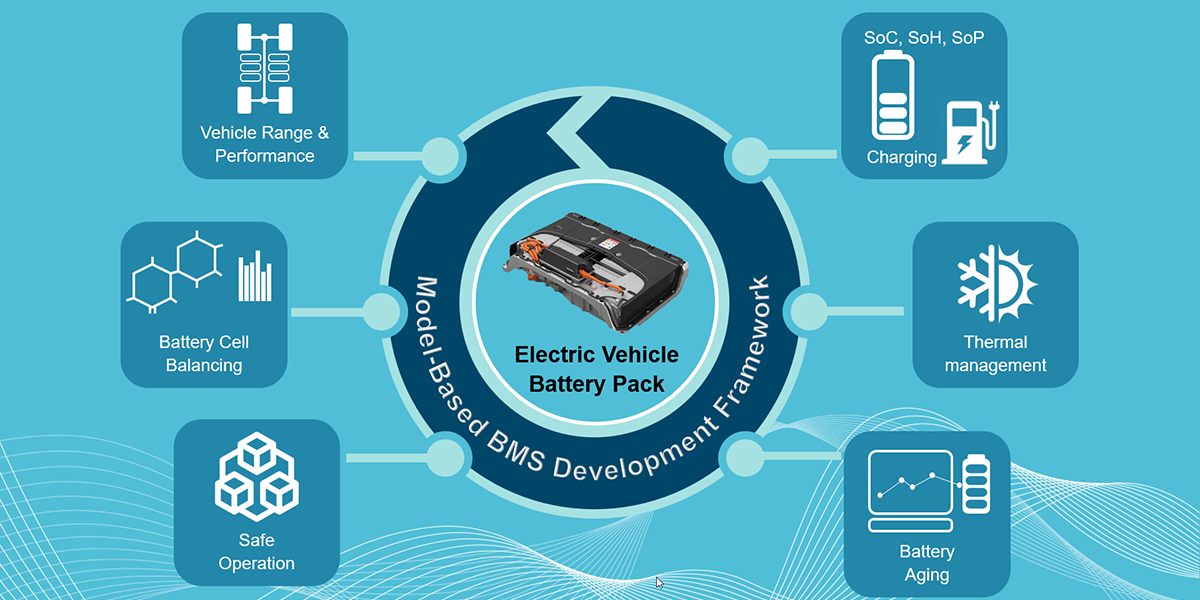
A BMS allows for continuous monitoring, data collection, and communication to an external interface where users can view the status of each cell as well as the overall health of the battery pack. A battery management system (BMS) monitors and manages a battery pack to protect it from damage, extend its life, and keep the battery operating within its safe limits. These functions are critical for efficiency, dependability, and safety.
Users can monitor individual cells within a battery pack using a battery management system. It is critical to maintaining stability throughout the pack as cells collaborate to release energy to the load.
What does a BMS measure?
A BMS can record data such as current, voltage, temperature, and coulomb count. Using these measurements, the system can assess the battery’s health and adjust operations as necessary to protect the pack.
A decrease in cell voltage at a given load, for example, can indicate an increase in internal resistance. This could indicate dry-out, corrosion, plate separation, or other diagnoses.
A sudden rise in the temperature of one cell may indicate the possibility of a thermal runaway event affecting the entire battery pack. The BMS could then stop the flow of energy and notify the user of a potential problem, allowing it to be contained before it becomes uncontrollable.
BMS with SoC and SoH
The state of charge (SoC) and state of health (SoH) of a battery are important indicators for determining its usability and capabilities. The SoC and SoH work together to provide a state of function, an overview of the battery, and an overview of the pack’s capabilities as a whole.
The most straightforward and common measure that a person would come across is the state of charge. The percentages of charge on phones and laptops are the states of charge. The SoC in electric vehicle batteries is used to calculate the remaining range of the car before it needs to be recharged. This, however, is not indicative of the battery’s overall health.
While SoC can show the battery’s short-term capability (how much energy is left), it cannot show the true capacity of the battery cell or pack. Cell capacity decreases with age, so while SoC may read 100%, the true capacity is likely to be less after a while.
Nonetheless, SoC remains an important metric in battery management. For example, to balance the load evenly across cells within the pack, the SoC of individual cells in the battery chain must be known.
In addition to SoC, the State of Health assesses the battery pack’s long-term capabilities.
SoH is an estimate of how long a battery can operate optimally based on charge acceptance, internal resistance, voltage, and self-discharge. It is usually measured against a new battery cell to determine where the cell is in its lifecycle.
There are no standard parameters for indicating SoH because it is determined by the function and applications of the battery cell. To calculate the overall SoH, different parameters such as cell resistance or self-discharge can be individually weighted.
Because SoH is typically measured against a new cell, the BMS must keep a record of the battery’s initial conditions as well as a log of measurements throughout the battery’s lifecycle to provide a more accurate indication of battery health.
Now the most important question is why BMS is so important.
A BMS is useful not only for indicating the health of a battery but also serves to protect the battery while it is in use.
Each battery cell and chemistry has a safe voltage, temperature, and current operating range. When a cell falls below or exceeds these limits, the BMS can detect and control it. Because lithium, for example, is a highly reactive substance, the BMS should monitor each lithium cell to ensure that it operates within predefined limits. This protects and preserves the battery in the long run.
Cell balancing is another important safety feature of a BMS. Individual cells in a battery pack do not operate in the same way. One cell in the chain may be weaker or stronger than another, charging or discharging faster. Without proper compensation, this could harm the overall health of the pack. If one cell short circuits or fails, the stability of the entire pack suffers. Cell balancing equalizes the charge of individual cells based on their capabilities. The BMS monitors and controls the charge demanded from each cell in the chain, ensuring that SoC is distributed evenly.
To know more about our batteries, contact us
Join the EV Revolution with Ipower Batteries
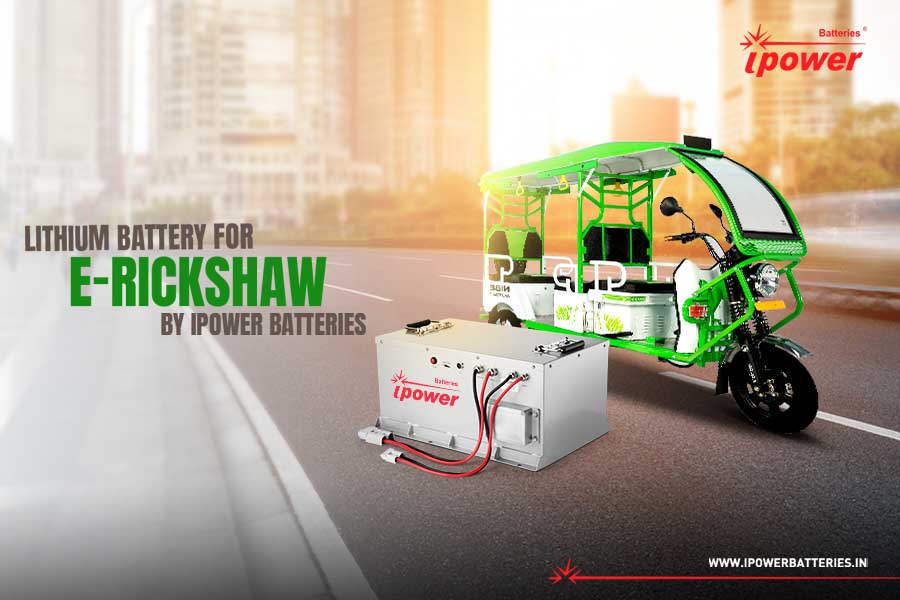
Lithium battery for e-rickshaw by Ipower Batteries
Lithium battery for e-rickshaw by Ipower Batteries
Although lead-acid batteries are used in the majority of e-rickshaws, the market is shifting towards lithium-ion batteries. We will learn about lithium batteries for e-rickshaws in the Indian market in this article.
Types of batteries used in e-rickshaw
E-rickshaws are battery-powered and powered by electric motors ranging from 6500 to 1400 watts. The e-rickshaw is a cost-effective and environmentally responsible mode of transportation because of the significant savings in fuel costs. The batteries for e-rickshaws come in a variety of shapes and sizes. The batteries were designed with extended range, simple maintenance, long life, and clean air in mind. They can be obtained from a variety of sources.
Lead-Acid Batteries for E Rickshaw –
The majority of e-rickshaws are powered by lead-acid batteries. They have a lower life expectancy of 360 cycles, a longer charging time of 8-10 hours, and are heavier. They have an impact on vehicle performance and longevity if they are not properly maintained because they are high-maintenance batteries.
Lithium-Ion Battery for E Rickshaw–
Manufacturers are increasingly turning to lithium-ion batteries. They have a lower weight of around 35kg due to their high energy density, resulting in increased overall mileage. Their charging time ranges from 1.5 to 3 hours. With a life duration of 1500 cycles (NMC) and 3000 cycles, these batteries are strong, long-lasting, and effective for comfortable rides (LeFePo4). These batteries require little to no upkeep.
Because of their superior performance, lithium-ion batteries are gradually gaining market share.
Ipower Batteries for e-rickshaw
Current status of electric rickshaw batteries in India
The revenue from the India electric rickshaw battery market was $141.3 million in 2021, and it is expected to reach $295.4 million by 2030, at an 8.5% CAGR.
This will be due to falling component prices, government initiatives for clean mobility, the low operating cost of electric rickshaws, and their increasing average age.
Electric three-wheelers are becoming increasingly popular in India due to their low cost and convenience over short distances. These three-wheelers currently account for 83% of India’s EV market. Each month, approximately 11,000 new electric rickshaws are sold in India, bringing the total number to around 15 lahks. These figures could be much higher because many of them are still unregistered.
The India electric rickshaw battery market is led by batteries with capacities less than 101 Ah, which account for more than 60% of revenue. The category will maintain its market dominance in the coming years due to consumer demand for low-cost e-rickshaws. This could also be due to the market dominance of unorganized local businesses, the majority of which produce low-cost e-three-wheeler components.
With a 10.6% CAGR in terms of value, the contribution of batteries with capacities greater than 101 Ah is expected to grow more rapidly in the India electric rickshaw battery market. This will be due to the growing demand for e-rickshaws that can travel longer distances without needing to be recharged frequently.
The lithium-ion battery category has a 52% market share and will contribute $196.1 million in sales by 2030. This is primarily because these variants are available in standard industry sizes, are 50-60% lighter, and have a 25-50% greater storage capacity.
Factors affecting the demand for lithium batteries for e-rickshaw in India
One of the significant trends in the Indian e-rickshaw battery market is the increasing use of e-rickshaws for logistics and mobility, as well as the batteries used in these vehicles. The country’s demand for these vehicles is growing as a result of increased activity in the e-commerce, municipal, logistics, and food and grocery sectors. In 2015, there were few electric rickshaws for logistical purposes on Indian roads; however, within two years, their share of total e-rickshaws on highways had risen to around 3%. E-rickshaws for logistics account for nearly 70% of Ahmedabad’s all-electric rickshaws.
The rapid adoption of e-rickshaws in various cities is the primary driver of growth in the Indian e-rickshaw battery market.
Between 2014 and 2019, the electric rickshaw market in India expanded significantly, owing to increased demand for these rickshaws, which have lower operating costs than other types of rickshaws, particularly auto-rickshaws.
Furthermore, the government is offering incentives to encourage the widespread adoption of these environmentally friendly and cost-effective automobiles. The Indian government, for example, offers INR 50,000 incentives to five lakh e-rickshaws under the second phase of the Faster Adoption and Manufacturing of (Hybrid &) Electric Vehicles (FAME-II) scheme, which began in April 2019.
Contact us to know more about the lithium batteries for e-rickshaws
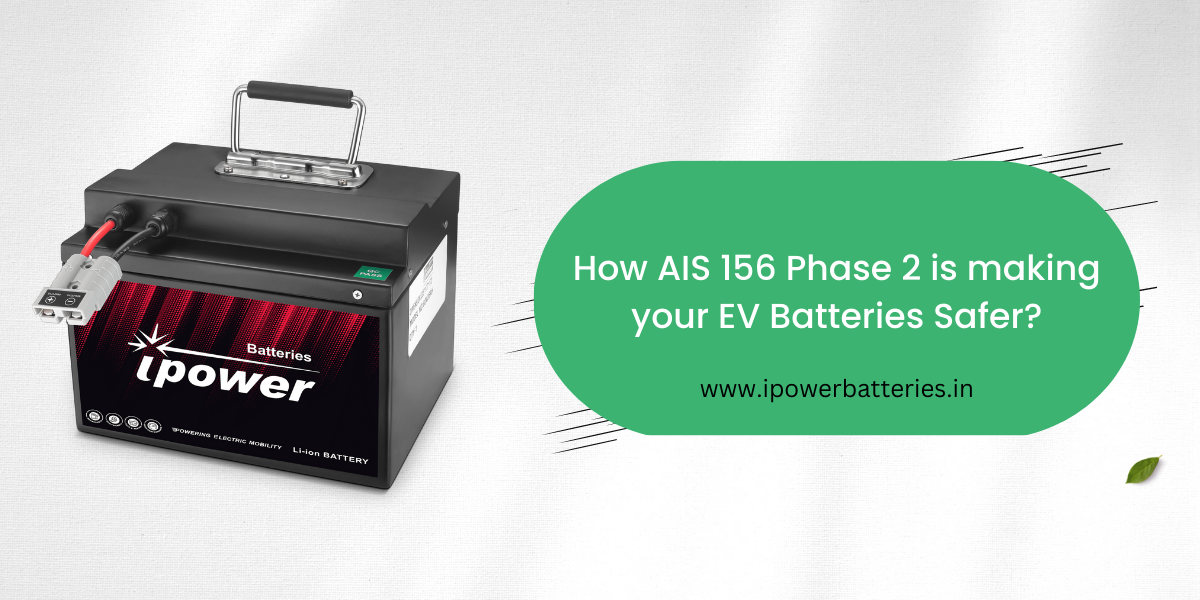
How is the AIS 156 amendment making your batteries safe?
How is the AIS 156 Phase 2 amendment making your batteries safe?
Electric vehicles (EVs) are becoming more popular in India as they offer environmental and economic benefits. However, one of the main challenges for EV adoption is the safety of the batteries that power them. Batteries are complex devices that store and release energy, and they can pose risks of fire, explosion, leakage, or overheating if not properly designed, manufactured, and maintained.
To address this issue, the Ministry of Road Transport and Highways (MoRTH) has issued an amendment to the Automotive Industry Standards (AIS) 156 and AIS 038 (Rev 2), which specify the safety requirements for EV batteries and power measurement for L-category vehicles, such as two-wheelers, three-wheelers, and quadricycles.
In this article, we will be exploring how AIS 156 Phase 2 is making batteries safer than ever.
Various things in AIS 156 Phase 2 will ensure the safety of the batteries like pressure vents, active cooling systems, ev thermal management systems.
- Pressure vents
Pressure vents are one of the passive safety components in lithium batteries that are designed to release the internal pressure of the battery when it reaches a certain threshold. Pressure vents can prevent or mitigate the risk of fire, explosion, leakage, or overheating caused by various factors such as puncturing, overcharging, manufacturing defect, or thermal runaway.
Pressure vents can be found in different types of lithium batteries, such as cylindrical, prismatic, or pouch cells. The shape, size, location, and opening pressure of the vents may vary depending on the battery design and specifications. Some common types of pressure vents are:
- Pressure-sensitive vent holes: These are small holes in the metal casing of the battery that opens when the internal pressure exceeds a certain limit.
- Bursting disc: This is a thin metal disc that is welded to the battery casing and ruptures when the internal pressure reaches a critical value.
- Integrated safety vent: This is a vent that is incorporated into the battery terminal and consists of a spring-loaded valve that opens when the internal pressure exceeds a preset value.
Pressure vents are important for ensuring the safety and performance of lithium batteries. However, they also have some drawbacks, such as reducing energy density, increasing the weight and cost, and allowing gas and electrolyte to escape from the battery. Therefore, it is essential to optimize the design and testing of pressure vents to balance the trade-offs between safety and efficiency.
- Active cooling system
An active cooling system is a type of thermal management system that uses external devices such as fans, pumps, or heat exchangers to remove heat from lithium batteries. Active cooling systems can improve the performance, safety, and lifetime of lithium batteries by maintaining the optimal temperature range and reducing the temperature gradient within and among the cells.
Active cooling systems can be classified into two categories: air cooling and liquid cooling. Air cooling uses forced air to transfer heat from the battery surface to the ambient air. Air cooling is simple, lightweight, and inexpensive, but it has low heat transfer efficiency and may not be sufficient for high-power applications. Liquid cooling uses a circulating fluid such as water, glycol, or oil to transfer heat from the battery surface to a heat exchanger. Liquid cooling has higher heat transfer efficiency and can provide more uniform temperature distribution, but it is more complex, heavy, and costly than air cooling.
Active cooling systems require careful design and optimization to balance the trade-offs between thermal performance and system requirements. Some of the factors that affect the design of active cooling systems are:
- Battery geometry and configuration: The shape, size, and arrangement of the battery cells influence the heat generation and dissipation patterns and the available space for cooling devices.
- Cooling fluid properties: The type, flow rate, temperature, and pressure of the cooling fluid affect the heat transfer coefficient and pressure drop across the battery pack.
- Cooling device parameters: The dimensions, layout, and materials of the cooling devices such as fins, channels, pipes, or plates affect the thermal resistance and weight of the system.
- Cooling control strategy: The timing, frequency, and intensity of the cooling operation depend on the battery’s state of charge, state of health, power demand, ambient conditions, and thermal sensors.
Active cooling systems are often used for lithium batteries in electric vehicles (EVs) and hybrid electric vehicles (HEVs) that have high power and energy density requirements. However, active cooling systems can also be applied to other applications such as stationary energy storage systems (ESSs), portable electronics, or aerospace devices that need effective thermal management of lithium batteries.
- Need for thermal ev management system
- Instead of 2, now 4 temperature sensors are required
- Thermal pads can be used
- Potting material can be used
- Phase-changing material in ev thermal management can be used
Apart from that, a fuse in the paralleling circuit must be used. String level fuse to be implemented in the lithium batteries.
Click Here to explore our product range
Join the EV Revolution with Ipower Batteries
Battery Swapping Infrastructure – An Overview
In the e-mobility sector, battery swapping is quickly becoming a superior replacement for the infrastructure for battery charging. The huge decrease in the cost of owning an electric car is one of the main factors contributing to the widespread acceptance of this technology. Sales and registration of electric vehicles without batteries are made possible by battery swapping.
According to this concept, battery, and electric vehicles are treated as different entities and energy service providers are solely responsible for these batteries. Consequently, battery-swapping technology creates a lot of business and employment prospects in the EV ecosystem while also benefiting EV consumers.
Battery swapping makes it simple to swap out depleted batteries for fully charged ones. In the swap stations, the batteries can be switched manually or mechanically robotically. As a result, the EV driver can substitute the drained batteries with the charged ones at any swapping station in a matter of minutes. Furthermore, because consumers only have to pay for individual swaps, this strategy is more cost-effective for them.

The first step in the battery swapping mechanism is to swap out depleted or partially charged batteries at the Battery Swapping Station with fully charged ones (BSS). The second task entails the Battery Charging Station’s electric recharging of the exhausted batteries (BCS).
The order of the EV driver’s arrival at the swapping station determines how they might exchange their drained batteries.
The ability to self-serve conveniently is a critical feature of the battery-swapping system. This involves an efficient charging mechanism that combines simple digital authentication with seamless digital payment, making the entire process extremely simple.
A dependable power distribution system is required for the controlled charging of multiple batteries at the same time and location. The grid system must be intelligent enough to supply high energy to the charger while also compensating for all expected fluctuations. The provision for collective charging of batteries in the same location serves as an effective load balancer for the grid. By managing the battery charging schedule accordingly, the bulk charging facility also ensures uniform load demand on the grid.
The batteries are leased to EV drivers by energy operators. Energy providers have outlets where EV users can go when their battery is discharged and swap it for a charged battery. The batteries are owned by the energy operator, who also operates a network of battery stations where EV users are charged on a per-user basis.
Efficient communication between the various system components is required for the smooth operation of a battery swapping operation. The battery-swapping solution employs software to ensure continuous connectivity between the vehicle, battery, driver, and chargers via cloud connectivity. This communication ensures that all of the components work together. Furthermore, all of this data is recorded and accessible to authorities as well as EV drivers to maximize the performance of the electric vehicle and its counterparts.
The battery must be separated from the electric vehicle for each swapping operation in the swapping technology. As a result, the security of the battery is a top priority for the concerned service providers to maintain a stable business. The swappable batteries are designed as locked-smart batteries to ensure battery safety (LS- Batteries). This locking mechanism only allows an authorised charger of the energy operator to charge these batteries. Furthermore, these batteries will not be usable in any vehicle other than the one in which they are swapped.
The battery swapping system also provides the added benefit of proper battery disposal and recycling.
According to the study, more than 12 million tonnes of lithium-ion batteries are expected to be retired by 2030. It requires raw materials with environmental and human consequences, such as lithium, nickel, and cobalt. Batteries generate a lot of electronic waste at the end of their lives. Many industry participants are working on ways to recycle dead batteries and extract valuable metals on a large scale in order to keep materials in circulation and reduce reliance on mining. We should develop a better solution to keep the battery in use for a longer period of time in other sectors.
Battery Swapping Roadmap
Use standard battery technology: Battery swapping will be simplified by standard battery design elements such as pack size, cavity, electric power control unit, and output performance per unit. These innovations act as catalysts for achieving economies of scale faster.
Recycling of EV Batteries: Battery recycling represents a significant opportunity for India. Batteries that are swapped can be built with a recycling-friendly design to make repurposing easier. Manufacturing and then recycling the batteries of these EVs with recycled materials will eliminate sourcing, lowering vehicle unit costs.
Battery-as-a-service (BaaS): Battery should be regarded as a service segment, similar to liquefied petroleum gas or other functional batteries. To subsidise per-kilometer operations rather than the purchase cost, the incentives must be extended to battery units. Gross-cost financing models, as well as standard operating procedures for energy operators, can aid in the exploration of financially viable solutions.
To gain the trust of users and boost confidence in availability, BaaS can be made available to them on a subscription basis.
Click Here to Explore Our Product Range
Follow for More Updates
What is the life cycle of lithium batteries
Lead-acid batteries have long been the “go-to” power source for gadgets, machinery, and cars. However, lithium-ion batteries are gaining acceptance across various industries due to various qualities that support efficiency and safety.
The battery life is one of the most crucial features for a business that uses batteries in its EV fleet. An important factor in a company’s operations is the battery’s usable life. Efficiency is important when it comes to a business’s bottom line.
In this article, we will look at the life cycle of lithium batteries and try to understand how they can outperform other batteries.
The lengthy battery life of a lithium battery is one of its most distinguishing characteristics. Compared to typical lead-acid batteries, lithium-ion batteries have a larger capacity and can run for a lot longer on a single charge.
Not surprisingly, lithium battery packs do not exhibit a memory effect, allowing for partial charging. As a result, they may be charged repeatedly without losing any storage capacity after being partially discharged. Top-charging your lithium-ion battery is advised rather than letting it go down to 0% before charging it.
Depending on several variables, such as battery type and chemistry, battery size and capacity, operating environment or temperature, and charging technique, a lithium-ion battery can last anywhere between 8 hours and a few days on a full charge.
What is the life cycle of lithium batteries?
According to most manufacturers, a lithium-ion battery’s service life is 5 years or at least 2,000 charging cycles. However, a lithium-ion battery can survive up to 3,000 cycles if used and maintained properly. This is equivalent to a lead-acid battery lasting three times as long.
When a battery’s capacity drops to 80% of its rated capacity, manufacturers often consider the battery to have reached the end of its useful life. Battery run-time will be reduced even if they can still produce usable power at less than 80% charge capacity.
The longevity of a lithium-ion battery, however, can be impacted by several variables, including temperature, charging cycle, and charge and discharge habits.
What are the factors that affect the life cycle of lithium batteries?
Battery chemistry:
For lithium-ion batteries, the chemical composition, or the substances and components employed in the battery besides lithium, varies. The distinct qualities of each type of lithium-ion battery affect how long it can sustain electricity. But the longest-lasting battery is the one with the best chemistry.
Temperature:
Lithium-ion batteries need to operate at an ideal temperature between 20 °C and 60 °C to function at their peak. Using this temperature range, the battery can keep 80% of its maximum capacity.
You should anticipate decreased battery efficiency in extremely cold or hot environments because the battery needs to work harder to keep a charge.
Charging Cycle:
A device is fully charged, fully drained, and fully recharged three times throughout a charge cycle. The lifespan of your lithium battery is also dependent on how quickly you complete the charge cycle.
A lithium battery should typically be recharged 2,000–3,000 times before losing its initial capacity. Additionally, the amount of time a battery can power a device declines as its capacity increases.
How to make sure your lithium battery life last longer?
- Avoid discharge
- Charge your battery properly
- Use authorized charging mediums
- Don’t overcharge
- Store your battery properly
- Keep an eye on your battery capacity
At Ipower, we manufacturer lithium-ion batteries for electric two-wheelers, three-wheelers, E-rickshaws, loaders and many more.
For more details about the lithium-ion batteries, click here:
Why EV Industry needs dedicated Lithium Battery Service Centers
Every coin has two faces, single face coins don’t exist. In the same way, any technological business has 2 aspects, one is development, and other is the servicing. Be it software or hardware, every industry needs the service industry to grow. The same goes for the EV Industry. We all know that electric vehicles have very fewer parts in comparison to ICE vehicles so the scope of services is very less (but still needed) but what about the batteries, do they need any kind of service?
Battery servicing, a topic which is not in the general discussion, why battery servicing is required is not a very common question. But it is going to be the question of the near future. Let us explain to you why battery servicing is important for the survival of the EV industry.
In recent times, we have seen a lot of news of EV batteries catching fire due to various reasons and because of that, it’s becoming a threat to EV owners. They want to be sure that their EVs will not catch fire while it’s parked inside their homes. Also if any EV is burning, you cannot simply use water to stop it, as water with lithium can be explosive.
EV batteries are the powerhouse of EVs and that’s why you need to take care of them. You need experts who can analyse your batteries for any future mishap. An expert can see if the battery is getting fully charged or not. Battery manufacturers can provide all types of required servicing but most of the time, it’s a long process, from contacting them to dispatching the batteries to receiving them after it’s getting serviced. It’s a time taking process and it will impact the user of that battery economically.
Let’s have an economic analysis of this process.
Case 1: Single user
Let’s say there is a battery manufacturer by the name XYZ which is in Delhi and an electric rickshaw owner by the name Ram who lives in Chattisgarh.
Now Ram uses the lithium battery manufactured by XYZ company for his e-rickshaw which is his primary mode of income. He earns around INR 700 per day.
After using the batteries for some time, Ram founds that now his e-rickshaw is not running to the pre-defined kilometers. The battery is getting discharged in less duration. Ram calls XYZ and tells them about his issue. The XYZ company asks him to send the battery to them as they don’t have a service center in Chattisgarh. Ram sends the battery to the company where the service engineers check it and solve the problem and dispatch it back to Ram. But this entire process takes 7 days. Now for 7 days, Ram is not able to use his electric rickshaw. For seven days he is not able to earn and support his family financially. The total loss for Ram these days is around INR 4900.
So when the next time something like this happens again, Ram simply switches to the local battery supplier, maybe going back to the lead-acid batteries.
Now because of this, that company loses 1 customer directly. When Ram will tell all these to his friends and community, by the word of mouth a lot more possible future clients will be gone.
Case 1: Fleet Owners
In the second scenario, Ram owns a fleet of e-rickshaw and electric scooters for his logistics business or rental business. Let’s just say 30 e-rickshaw and 50 electric scooters.
Each e-rickshaw earns him INR 1000 and each electric scooter earns him 500 daily. So the daily income of Ram is around INR 55,000. Now let’s assume 5 of his e-rickshaws and 10 of his electric scooters are not working properly because of battery issues.
Ram calls the XYZ company, explaining the scenario and the company asks him to dispatch the batteries. Now here also the entire process takes 7 days. So the total loss for the Ram is around 77,000.
In both cases, because the XYZ company didn’t have any service center, their client had to face economical loss. The company not only losses a client but also many future clients as well. But if the same company would have a network of the service center, that 7 days could have been reduced to say 3 days or 4 days.
For battery manufacturers, it’s very important to have a network of battery service centers. Now if you will see this scenario, you can find 2 business opportunities. One is direct, that is starting a battery service center in collaboration with the battery manufacturers and the second is training. Lithium batteries are different from lead-acid batteries, they need different approaches while testing and servicing them. One can collaborate with the battery manufacturers to develop and launch a training model for anyone and everyone who wants to set up a battery service center.
Ipower is collaborating with the brands/OEM’s and various dealers to set up lithium battery service centers in India to help the growth of EV industry of India.
For more details about the lithium battery service centres, click here:
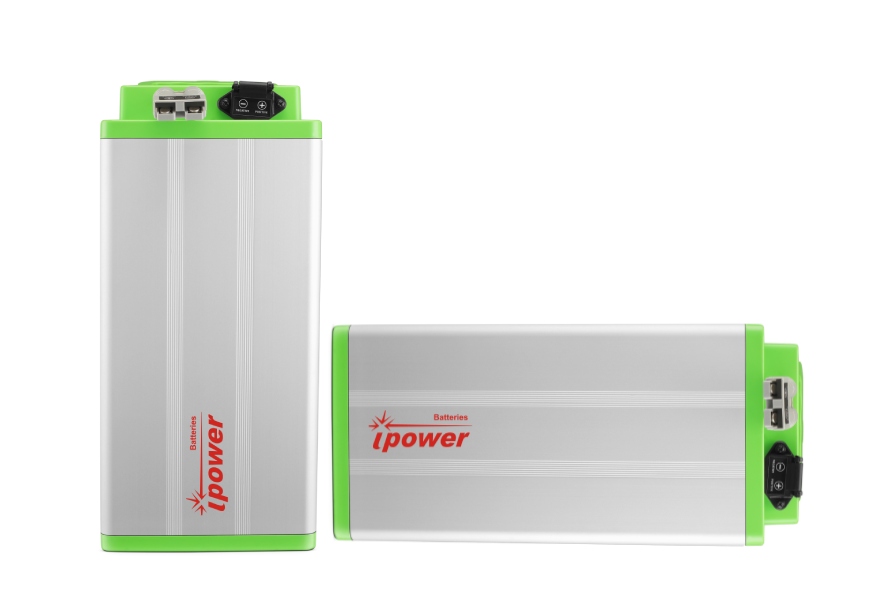
Thermal Management in Lithium Batteries
Reducing reliance on fossil fuels has been a priority as India works to fulfill its commitment to achieving net-zero carbon emissions by the year 2070. India is actively promoting the use of electric vehicles (EVs) to achieve its goal of having 30% of private cars, 70% of commercial vehicles, and 80% of two- and three-wheelers powered by electricity by the year 2030. To promote the use of EVs, the government has introduced incentives for both manufacturers and end users. Although EV adoption is increasing, recent incidents of EV batteries catching fire have caused a great deal of fear and hesitation to buy EVs.
What is a thermal management system in EV and why it is important?
The effectiveness and longevity of batteries depend on proper thermal management. It’s crucial to keep your thermal management strategy in mind when choosing how to package and integrate a battery pack into a vehicle.
Batteries are like Goldilocks; they don’t work well in extreme temperatures. To achieve the performance, dependability, and safety that OEMs are looking for, they must maintain the precisely right temperature. The battery pack’s capacity, cell balancing, capacity, charging speed, and service life will all be impacted by poor thermal management. A sound cooling plan will guarantee a uniform temperature distribution and get rid of any dangers that could arise from uncontrolled battery temperatures.
EV-specific Thermal Management System (TMS) maintains the vehicle’s operation at an ideal temperature to preserve the vehicle’s safety and effectiveness.
There are other factors as well, with safety being the most important. The batteries are higher energy density, high voltage Li-Ion batteries. Due to the increased density, even a slight temperature change could cause a fire hazard.
Active thermal management: keeping cool or maintaining control?
Active thermal management systems come in different varieties, and what sets those apart most is what they are used for. Some are intended to cool the battery, while others stabilize temperature extremes. There are mainly 3 types of active thermal management systems and they are as follows:
-
Air cooling
-
Liquid cooling
-
Thermoelectric coolers
Air Cooling:
Active air-cooling systems use convection to cool the battery pack by blowing air across it, typically from an AC unit or air drawn in from the outside.
The simplicity and low cost of air-cooling systems are their main benefits. They are only meant to cool and stop overheating, though. They are unable to control a wide range of ambient temperatures as a result. Warm or even mild climates don’t have a problem with this, but colder climates can cause battery deterioration because EVs don’t like driving in the snow! Due to its low specific heat capacity, the air is not particularly effective at transferring heat away from the battery, even at moderate temperatures.
There are concerns about the safety of using an air-cooling system for high-power applications as batteries grow in strength and charge capacity.
Liquid Cooling:
Liquid cooling, which involves pumping and circulating a liquid coolant, like glycol, around the battery in a closed loop, offers a more precise way to control thermal conditions and keeps them within a desirable range.
To dissipate heat, heat is typically transferred to liquids through thermally conductive metal pipes that pull the heat away from the source. Since liquid-based cooling is so much more effective, it enables smaller, lighter, and more compact systems without requiring additional power or mass.
This is very helpful because the automotive industry wants to use the lightest systems possible.
Thermoelectric coolers:
Another technique of thermal management that is causing a stir in the automotive sector involves sandwiching semiconductors between a heat sink and a heat source (in this case, a battery). When a voltage is applied, a temperature difference between the source and sink is created, which causes heat to be transferred through conduction. In situations where heat is needed, the direction of heat transfer could be changed by reversing the current. This enables precise control of temperatures by a straightforward change in voltage.
Why passive thermal management system is required?
The biggest drawback of all active BTMS is that they drain the battery of valuable power, which is regrettably their biggest drawback. Therefore, passive cooling or passive thermal management is required. The objective of passive thermal management is to allow the battery to control its temperature without the use of an external energy source.
There are many passive cooling strategies in development, even though active management strategies are currently preferred for their effectiveness.
For instance, heat pipes, which use a closed cycle of liquid evaporation and condensation to transfer heat from a battery, are very effective at doing so in smartphones. However, these solutions can only absorb heat from the battery, not draw it away from the source. Expect to see more of these passive techniques employed in the future due to the ongoing push to reduce parasitic power consumption in EVs.
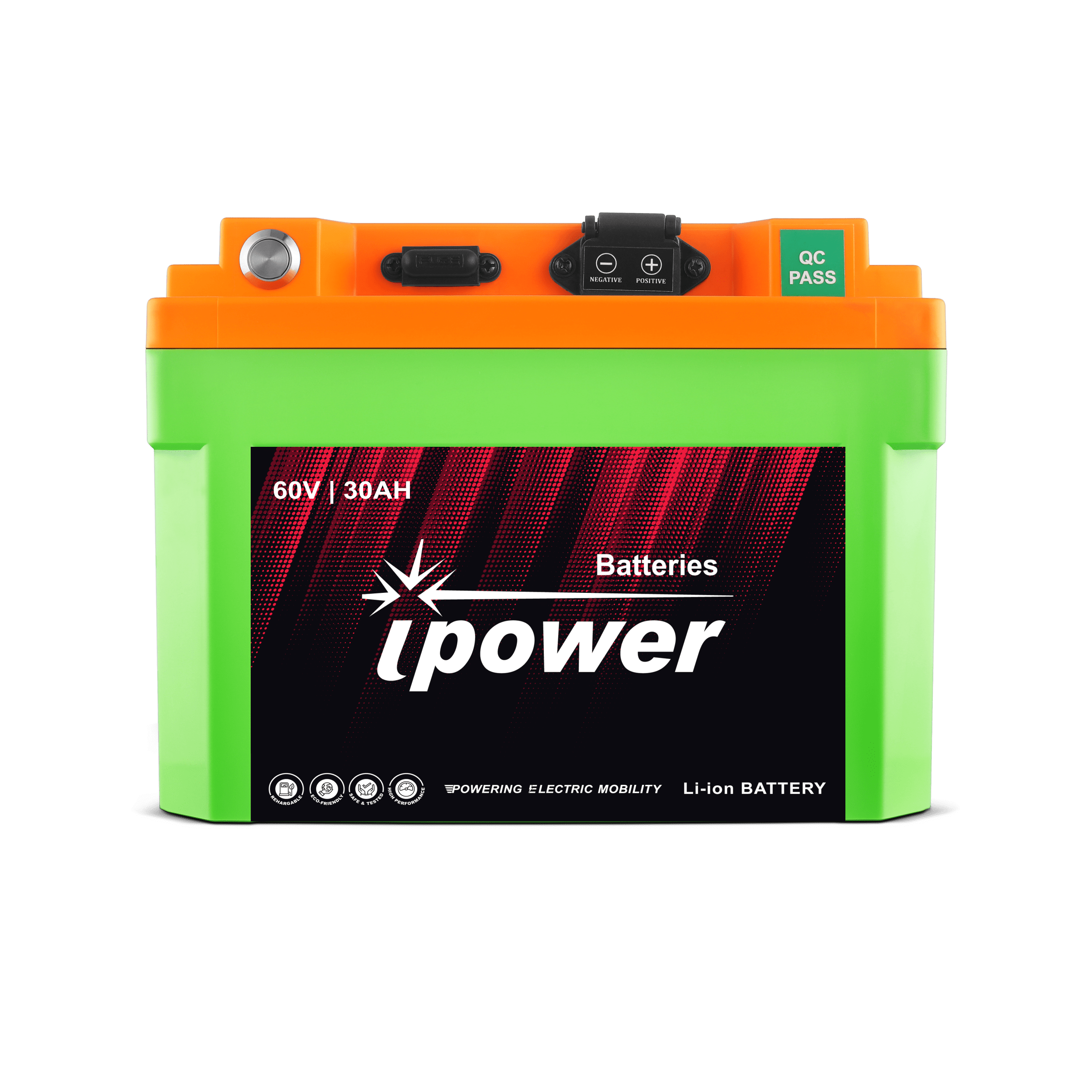
Past and the future of Lithium-ion Batteries
In a world full of changes, there are a few universal constants that cannot be altered. One of them is “Energy can neither be created nor be destroyed, it can only be converted from one form to another”. This very statement by Julius Robert Mayer is the basis of energy storage solutions.
Before talking about or predicting the future of lithium batteries, it’s very important to understand their past. We have to understand the significance of the fact that the entire concept of energy storage came from a frog experiment done by Luigi Galvani who was an Italian physicist.
Although lithium batteries were not made commercially available until the late 20th century, Gilbert Newton Lewis was the first to experiment with them.
These batteries were made possible by three significant developments:
- The LiCoO2 cathode was discovered by John Goodenough in 1980.
- Graphite anode was discovered in 1982 by RachidYazami.
- Asahi Chemicals created a prototype for a rechargeable lithium battery in 1985.
After that, it was Sony Company that commercialized lithium-ion batteries.
Now let’s head toward the future of lithium batteries via the roads of the present.
Lithium batteries offer a chance to change the transportation industry, which currently emits a lot of carbon into the atmosphere. They also provide a remedy for the erratic energy generated by solar and wind power, making these environmentally friendly options more practical.
New and cutting-edge chemistries and technologies have been developed and adopted over the past few years in the energy storage industry. One of the most recent adopters, lithium-ion batteries have gained popularity and respect for their chemistry, performance, and features. Lithium-ion batteries have a significantly higher energy density in joules per kilogram than earlier battery technologies like nickel-cadmium (NiCd) and nickel-metal hydride (NiMH).
But the question is what the future of lithium-ion batteries is.
Solid State Batteries:
In terms of technology, solid-state batteries represent a paradigm shift. In all-solid-state batteries, the liquid electrolyte is swapped out for a solid substance that still permits lithium ions to move around inside of it.
This idea is not new, but over the past ten years, extensive global research has led to the discovery of new families of solid electrolytes with extremely high ionic conductivity, comparable to the liquid electrolyte, enabling the removal of this particular technological hurdle.
Pros of solid-state batteries
- High thermal and impact safety because the liquid electrolyte is replaced by a solid
- Reduced dendrite growth issues extend service lifetime
- High-specific energy and low cost
Cons of solid-state batteries
- Cycle life is highly dependent on the specific anode-cathode mix (currently less than 1,000 cycles)
- Not commercially viable currently; expected to reach the mass market in 3–5 years
Lithium-sulphur Batteries:
Lithium ions are stored in active materials that serve as stable host structures in li-ion batteries during charge and discharge. The host structures in lithium-sulphur (Li-S) batteries are absent. The lithium anode is consumed during discharging, and sulphur is converted into several different chemical compounds during charging.
Pros of Lithium sulphur batteries
- Higher specific energy and power discharge compared with conventional LiBs
- High tolerance for extreme temperatures
- Uses low-cost and easily disposable input material
Cons of lithium-sulphur batteries
- Low cycle life and longevity
Lithium-Air batteries:
The lithium-air batteries would function by producing lithium peroxide on the cathode during the discharge phase by fusing lithium already present in the anode with air oxygen.
The area where air enters the battery is known as the cathode. Theoretically, lithium and oxygen can be combined to create electrochemical cells with the highest potential specific energy, comparable to the potential specific energy of gasoline.
This is almost five times more powerful than a Li-ion battery. However, before becoming widely used, Li-air batteries’ useful power and life cycle require significant improvements. The market for electric vehicles is a significant market driver for batteries.
Pros of Lithium-air batteries
- Very high theoretical energy density
- Uses abundant, low-cost materials for electrodes, offering a lower bill of materials
Cons of Lithium-air batteries
- Technology is still in the R&D stage, currently limited by low efficiency and poor cycle life
Lithium-carbon Batteries:
An emerging method of energy conversion and storage is the lithium-carbon dioxide battery. Even though these batteries are still in the early stages of development, researchers need to have a clear understanding of the major obstacles they must overcome to fulfill their potential as innovative energy storage systems.
Researchers have focused their attention on carbon capture and storage because carbon dioxide is a significant factor in the cycles of the earth’s temperature. Lithium-CO2 batteries present an intriguing alternative for the storage of electricity generated by renewable energy sources as well as for the conversion of waste carbon dioxide into products with added value.
Pros of Lithium-carbon batteries
- Combines benefits of traditional LiBs with capacitors —good energy/power density and fast recharging
- Promises low carbon footprint
- Low-cost, relatively abundant materials
- it does not need an external cooling system
Cons of Lithium-carbon batteries
Technology is in a very early stage, with a limited number of makers
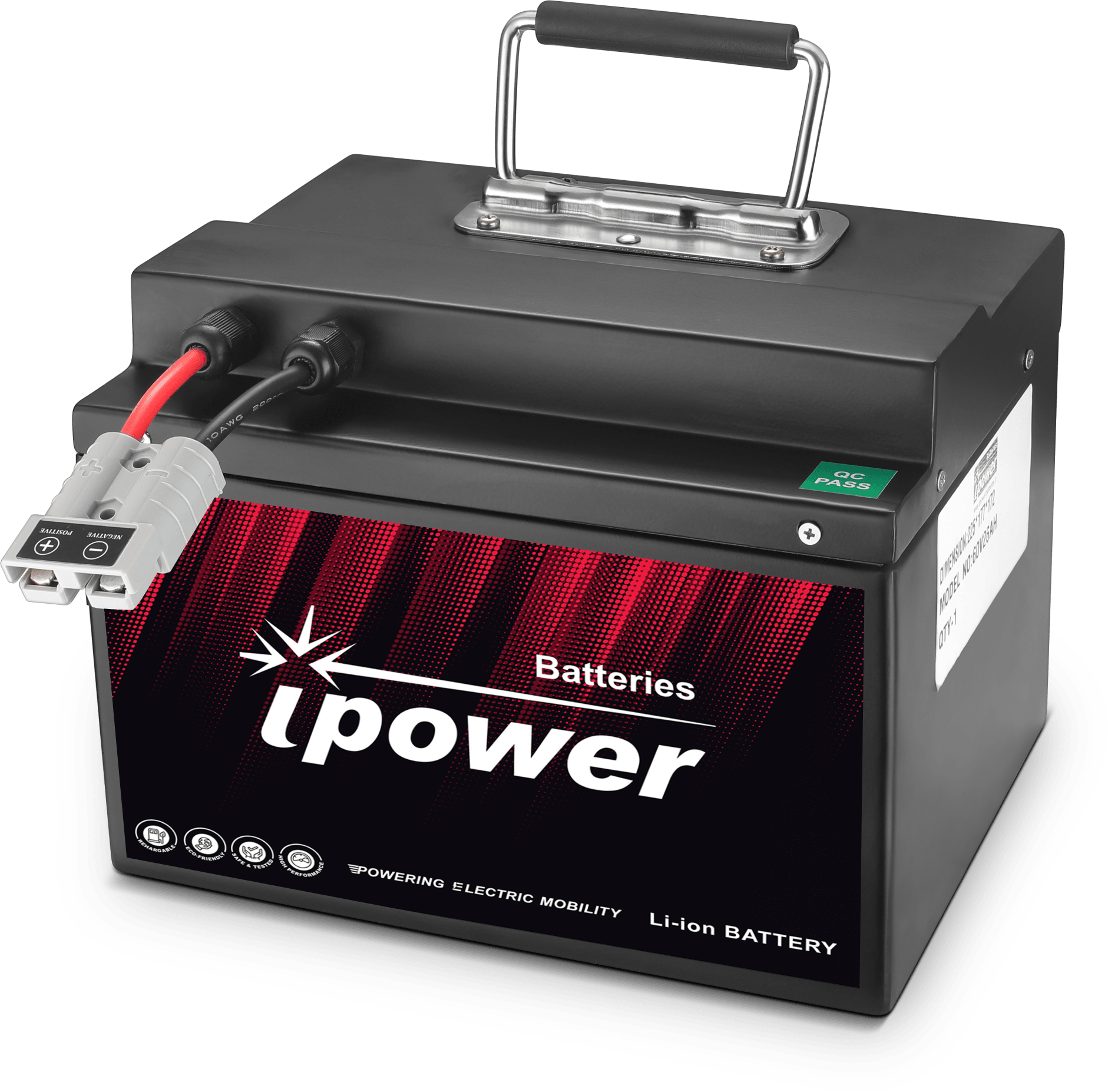
How new amendments in AIS 156 will make your battery much safer
The Ministry of Road Transport and Highway established an Expert Committee with members from the DRDO, IITs, IISc, and ARCI to recommend additional safety requirements in the existing battery safety standards notified under CMV Rules in the wake of numerous fire incidents involving electric two-wheelers in various parts of the nation.
On August 29, 2022, the Ministry published Amendment 2 to AIS 156, Specific Requirements for Motor Vehicles of the L Category. This was done in response to the expert committee report’s recommendations.
Amendment 2 to AIS 038 Rev. 2 – Specific Requirements for Electric Power Trains of Motor Vehicles of the M Category and N Category is also included, along with electric power trains.
Additional safety requirements for battery cells, BMS, onboard chargers, battery pack design, thermal propagation due to internal cell short circuits causing fire, etc. are included in these amendments.
With effect from 1st October 2022, the current battery safety standards recommend additional safety requirements.
Let’s talk about the most recent notification that will force modified AIS156 and AIS038 Rev.2 standards for the relevant categories of electric vehicles starting on October 1st, 2022.
The requirement strengthened safety in three key areas of the battery pack that are cell, BMS, and pack design. It also addresses the onboard/offboard charger, which was broadly covered by the AIS 156 and AIS 038 Rev.2 standards.
- Cell Level
- BMS (Battery Management system)
- Pack Level
- Charger
Cell Level:
- The manufacture date should be written in DDMMYY format on every cell. There are no acceptable codes.
- Based on their form factors, there should be enough room or distance between each cell.
- Cells from a NABL-accredited lab are in compliance with AIS 16893 Parts 2 and 3.
- A minimum of 5 charge and discharge cycles should be recorded for each cell.
- Cells need to be safeguarded in case of regeneration stops.
BMS (Battery Management system) Level:
- Microprocessor/Microcontroller circuits should be used to create BMS.
- All necessary safeguards against overcurrent, over-discharge, overvoltage, short circuit, and overtemperature must be present in a BMS.
- According to AIS 004 Part 3 or AIS 004 Part 3 Rev 1, as appropriate, BMS must pass the EMC testing.
- According to IS 17387, BMS should have a data logging feature.
- BMS ought to be able to read and write RF.
Pack Level:
- The pack needs to comply with IPx7.
- The Pressure Relief Valve (PRV) or a pressure vent should be incorporated into the pack’s design.
- Additionally, traceability documents are needed at the pack, cell, BMS, and charger levels.
- Test for thermal propagation.
- If a thermal event occurs, the system should have an audio-visual warning.
- The Pack must have four temperature sensors at the very least.
- FUSE or a circuit breaker should be used in the pack’s electrical architecture.
- There should be a paralleling circuit active in the pack.
Charger Level:
- A charge voltage cut-off for the charger is required for REESS.
- There must be a time-based charge cut-off feature on the charger.
- To begin charging, the charger needs to have a soft-start feature.
- To identify the over-discharge condition of the battery, the charger must have a pre-charge function.
- The charger must have a way to detect earth leaks.
- The battery must be able to communicate with the onboard or portable charger (BMS).
Automotive Research Association of India (ARAI) Ministry of Road Transport & Highways – India
Major Challenges:
- Time to upgrade the system based on the above changes.
- RFID tag implementation within the specified timeline.
- Rugged Testing of the required BMS features.
- Cyclic test on Cells

Five Tips to Increase Life of Your Inverter Battery
Summer is approaching fast. In every summer, scorching heat makes our life miserable. Making the matter worse, the frequency of power cuts increases in summer. Without any doubt, your inverter is your only savior in hot months of summer. Therefore, you should make sure that everything is fine with your inverter. Else, you will not get a proper backup from your inverter.
Needless to say that the battery of your inverter is its powerhouse. The backup you get from your inverter largely depends on the health of your inverter battery. The better the health of your inverter battery, the more power backup you will get. Here are five tips that will help you take care of your inverter battery:
- As the inverter battery gets heated during charging and use, you should place your inverter battery in a ventilated area.
- Once installed, your battery should be used on a regular basis. If there is no power cut, you should drain the battery completely at least once in a month.
- Make sure the surface and the sides of your inverter battery are clean.
- You should keep the terminals of your inverter battery corrosion and rust free.
- You should always keep the vents around your inverter battery open and dust free.
If you follow these points, your battery will have a long life. In case the battery needs to be replaced, you should always choose a leading company to buy inverter battery.
ipowerbatteries Power is a leading company in India, offering a wide range of batteries for all verticals. We are one of India’s largest inverter battery manufacturing companies and always try to meet individual’s need with our quality products and sincere assistance.